Black History Month T-shirt Design Vol20: Creative Asset Guide
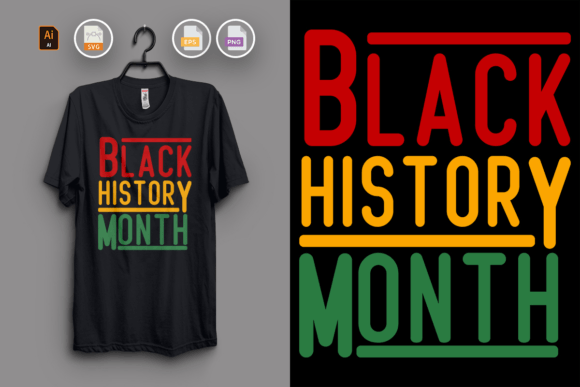
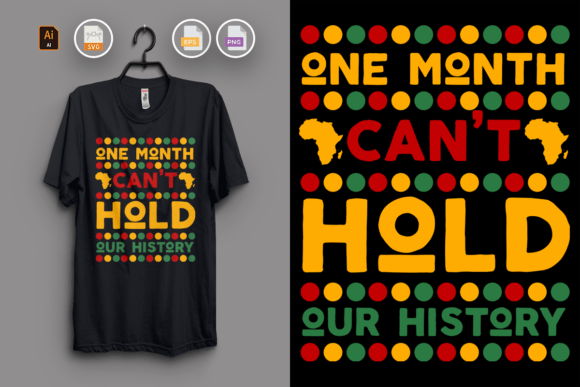
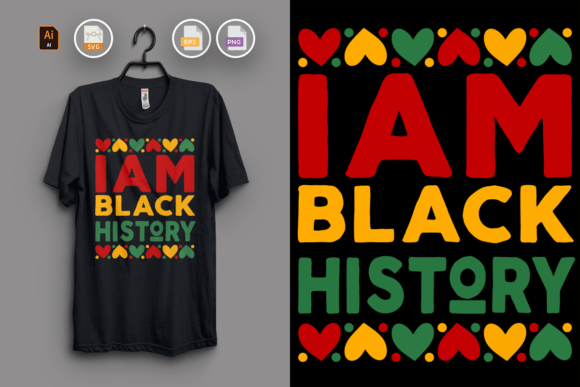
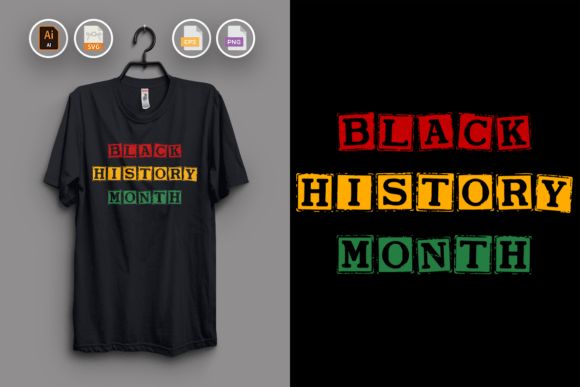
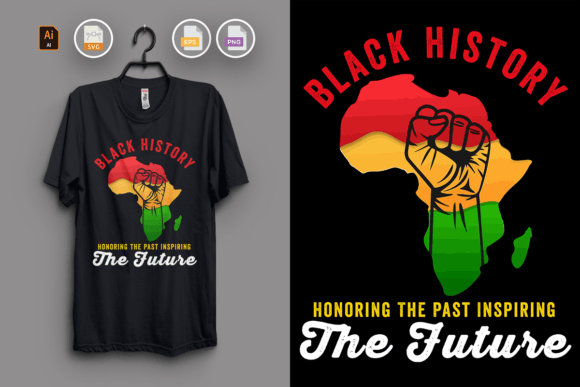
When February approaches, the need for powerful, respectful, and culturally relevant graphics becomes urgent for designers and business owners alike. The Black History Month T-shirt Design Vol20 represents a significant step up from standard clipart or generic templates. This collection is not just a set of files; it is a curated visual narrative. The aesthetic here leans heavily into a blend of modern typography and traditional African heritage motifs. You will likely see intricate line work, bold silhouettes, and a color palette that resonates with the Pan-African flag or earth tones, depending on the specific design iteration. The "Vol20" designation suggests a refined evolution of style, offering a maturity in design that balances cultural pride with contemporary streetwear appeal.
The personality of this design package is confident and celebratory. It avoids the clichés often found in stock graphics, aiming instead for a premium font experience where the text is integrated into the art. Whether you are a crafter making a single sweatshirt for a family reunion or a publisher creating merchandise for a large audience, the visual hierarchy is already built for you. The designers behind these assets understand that a T-shirt is a walking billboard; therefore, the composition is optimized for immediate recognition and emotional connection.
Practical Applications: From Screen Print to Digital Branding
One of the most valuable aspects of the Black History Month T-shirt Design Vol20 is its versatility across different mediums. While the primary application is apparel—specifically sweaters, hoodies, and tees—the included file formats (AI, EPS, SVG, PNG) open up a world of possibilities. For the small business owner, this isn't just a T-shirt graphic; it is a complete brand identity toolkit for a seasonal campaign.
Consider the digital space first. The SVG and PNG formats are perfect for social media graphics. If you are running a marketing campaign in February, you can overlay these elements onto Instagram stories, Facebook headers, or website banners. The high resolution ensures that whether you are using a display font element for a Zoom background or a subtle watermark for a blog post, the integrity of the image remains intact.
For physical products, the applications are endless:
- Apparel: Beyond standard tees, these designs work beautifully on the front of a hoodie or the back of a varsity jacket.
- Home Decor: The vector formats allow you to scale the art for throw pillows or framed prints without pixelation.
- Promotional Items: Use the design for stickers, tote bags, or coffee mugs. The high-contrast nature of the graphics ensures they look sharp on curved surfaces.
Entrepreneurs should look at this as a low-investment, high-return asset. Instead of commissioning a custom logo design or illustration for a limited-time event, you can utilize this creative font and illustration package to launch a product line in days rather than weeks.
Design Strategy: Typography and Visual Hierarchy
Typography is the backbone of effective design, and the text elements within the Black History Month T-shirt Design Vol20 are crucial. Often, these collections utilize a mix of styles—a bold serif font for authority paired with a flowing script font or handwritten font for a personal touch. Understanding how to manipulate these layers is key to making the design your own.
If you are customizing the text, pay attention to visual hierarchy. The main message (e.g., "Black History Month") should command the most attention. Secondary text, such as dates or specific phrases, should be smaller or lighter in weight. This contrast ensures readability, which is a non-negotiable in editorial design and packaging design.
Here is a practical tip for pairing: If you decide to add your own text to the design, look for a sans serif font to complement the ornate details often found in these heritage graphics. A clean, geometric sans-serif grounds the design and prevents it from looking too busy. This creates a professional finish that elevates the final product from a "craft project" to "merchandise."
Workflow and File Management
Before you dive into production, there is a critical workflow step that separates the amateurs from the pros: file management. The creator of the Black History Month T-shirt Design Vol20 explicitly recommends making a duplicate copy of the original files before you begin. This is sound advice for any design assets.
When you open the AI or EPS files in Adobe Illustrator, you are working with vectors. This is the gold standard for commercial font usage and large-format printing. However, vectors are easily corrupted if anchor points are accidentally deleted or strokes are expanded incorrectly.
- Backup: Duplicate the file immediately. Label one "Original" and the other "Working."
- Layer Management: Before changing colors or resizing elements, ensure you are working on a new layer or have "Undo" history ready.
- Format Selection: Use the SVG for web and Cricut/Silhouette machines. Use the AI/EPS for professional print shops. Use the PNG for quick mockups or sublimation printing.
By respecting the file structure, you preserve the quality of the typeface and the sharpness of the illustrations. This is particularly important if you plan to use the design for packaging design or high-end web design elements where crispness is paramount.
Commercial Use and Audience Engagement
For the entrepreneur, the value of the Black History Month T-shirt Design Vol20 lies in its commercial potential. It is designed to resonate with a specific audience—those celebrating culture, history, and identity. Using this design is not just about selling a product; it is about showing solidarity and recognition.
When marketing products featuring this design, your messaging should be as thoughtful as the art. Use the design to spark conversation. In your product descriptions, highlight the celebration of heritage. This approach moves beyond simple marketing and enters the realm of community building.
Furthermore, the consistency of using high-quality design assets builds trust. When a customer sees a pixelated or poorly aligned graphic, they question the quality of the garment. When they see a sharp, professionally rendered vector print, they perceive value. This perception allows for better price points and higher customer retention.
Whether you are a blogger looking to create merchandise for your followers or a designer helping a client with a February campaign, this volume offers the flexibility and cultural depth required to make an impact. It bridges the gap between modern typography and cultural storytelling, providing a versatile toolkit for any creative professional.